
September 24, 2026
Annually, members of the T1D community come together to raise money for diabetes charities. Whether by hosting large events, participating in walks and rides, or giving steadily throughout the year, the community’s unwavering dedication to better the lives of those living with the disease persists without fail. This support has generated hundreds of millions of dollars each year and has been paramount in furthering the T1D research advancements we see today.
When money is raised in this way, it is important to understand the motivation behind this generous giving. Discovering what prompts donor support and where they want their money to go is vital for nonprofits to know and internalize.
Each year, JDCA asks T1D donors and fundraisers these questions. Key findings are summarized below.
Cure Research Is #1
Consistent with a long historical trend, most T1D community donors say cure research is the number one reason they participate in events. It drives far more support from the T1D community. Other areas like better disease management, easing day-to-day living, or tackling long-term complications also matter, but nothing matters more than a cure for T1D.
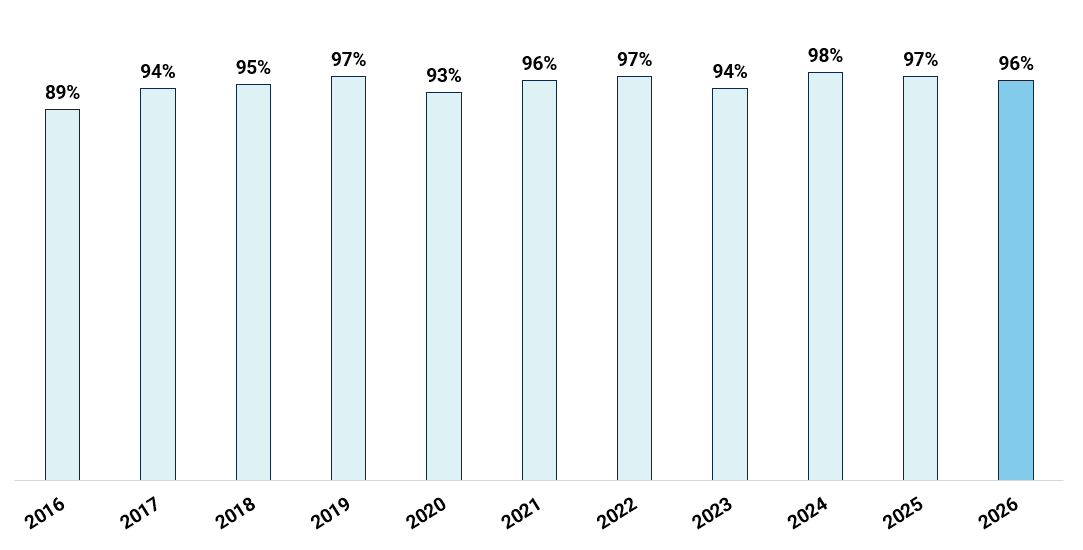
- 96% of respondents stated that finding a cure is the most important reason they participated in a T1D fundraising event (see chart A).
- 97% agreed that ‘the majority’ of the money raised at fundraising events should go to cure research.
JDCA also asked survey takers what a cure means to them. Respondents could share any answer that came to mind. Six out of ten people mentioned at least one of three words, some as the only answer: “Freedom,” “Life,” and “Everything.”
Chart A: Finding a cure for type 1 diabetes is the most important reason I participated in a T1D fundraising event (% agree)
Fundraisers Losing Belief that Most Donations Fuel Cures
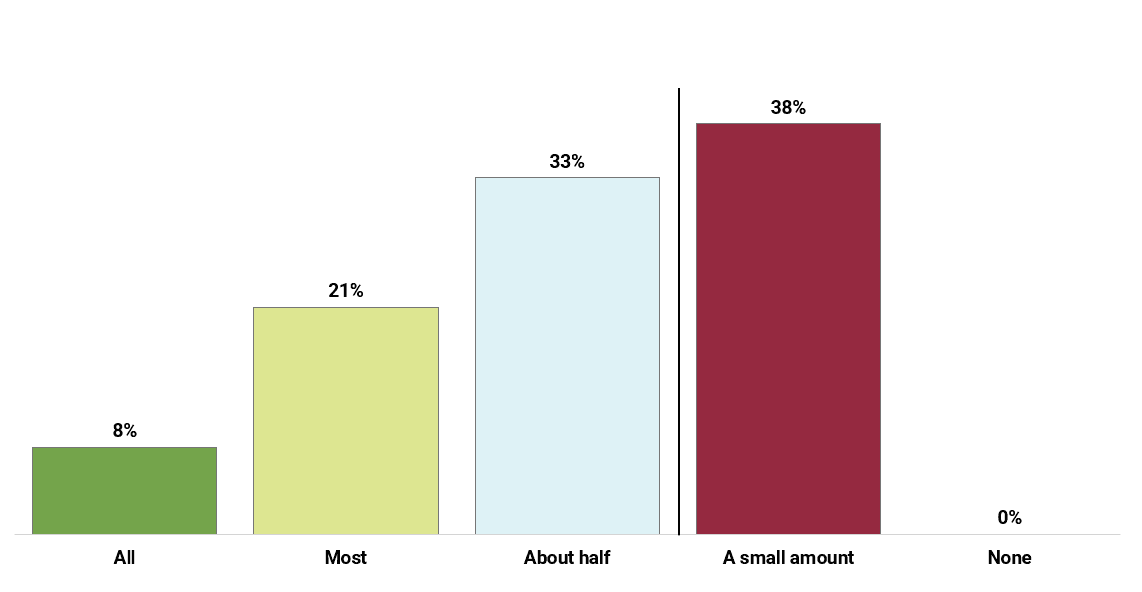
On the other hand, the number of people who think only a small amount of the money raised at fundraising events goes to cure research is increasing. We expect this trend will continue (see chart B).
This decline is new but not unexpected. The most well-known diabetes-focused nonprofits, Breakthrough T1D and the American Diabetes Association, have reduced their cure-focused call-to-action statements used in marketing fundraising events. This change started in earnest three years ago and continues today.
Chart B: How much of the money raised at diabetes fundraising events do you believe is used to fund T1D cure research?
Donors Want Transparency
15% feel very clear or crystal clear about how their donations are being used. The rest are not at all, not very, or only somewhat clear.
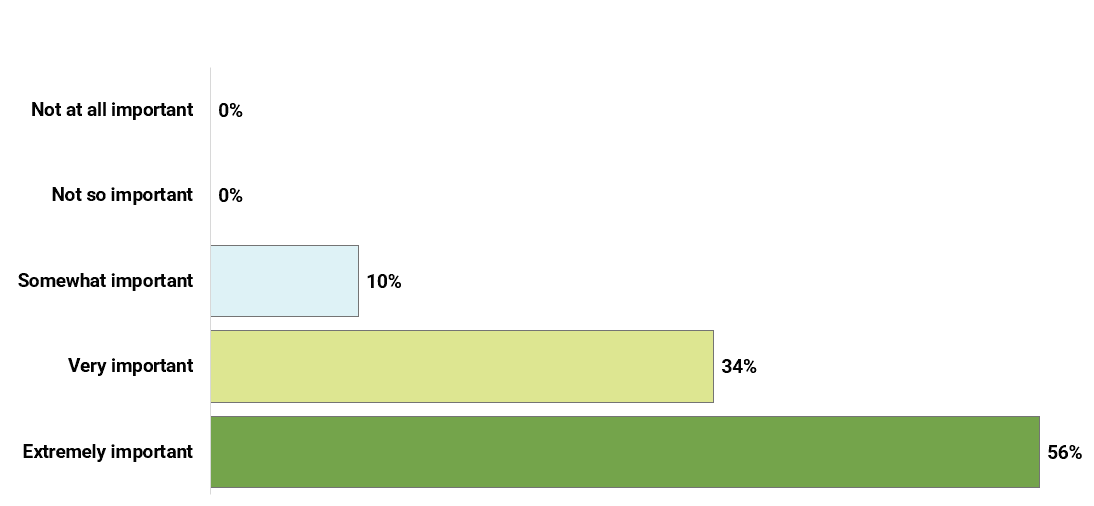
90% believe knowing exactly how donations will be used is very or extremely important (see chart C).
83% believe T1D nonprofit should have a mechanism in place to collect and follow donor wishes when making research funding decisions.
Chart C: How important is it to you to know exactly how your donation will be used?
Nonprofits Still the Top Choice for a Cure, but For-Profit Interest Grows
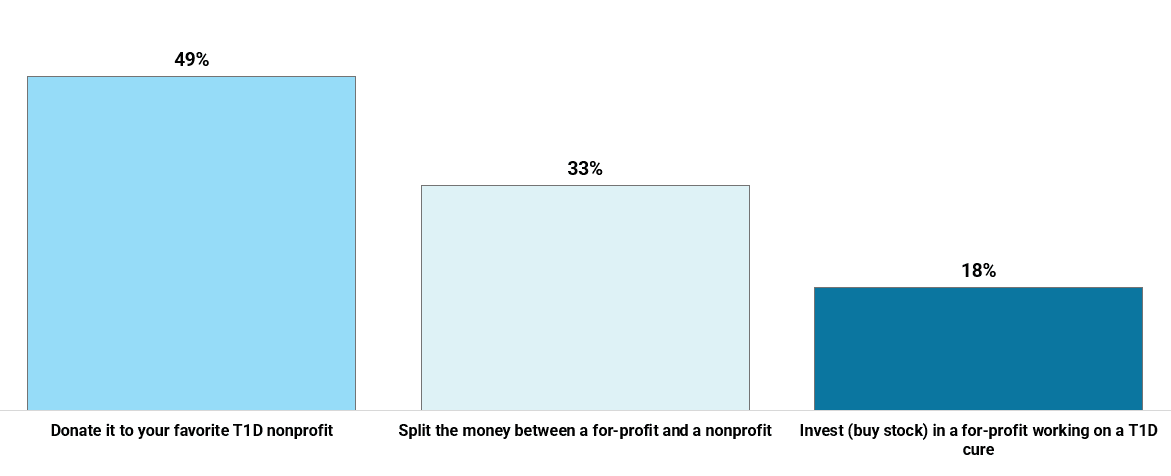
JDCA asked donors about their interest in investing in a for-profit company as an alternative to, or in addition to, their current T1D charitable donations. We asked whether they would prefer giving to a nonprofit, a for-profit, or both. The results showed that about half would consider a for-profit alternative while the other half would stick exclusively with their charitable donation (see chart D).
Chart D: You have $1,000 that can only be used to support T1D. Would you rather: